For the first time in history, we have four generations working side by side in the workplace. Each generation brings its own unique skills and talents and demands different things from employers.
I have been involved in safety awareness, injury prevention, and employee return-to-work programs for over 15 years. Having successfully lowered injury frequency, severity, and lost-time injuries, I was confident in my approach to the care of injured workers.
When channels of communication are opened throughout an organization, the firm then can begin to identify and discuss emerging issues related to risk before they become a crisis.
Uber is making headlines lately in Milwaukee and in many of the other markets where we work. I took my first Uber last week, and I’m obsessed.
Truck driver risk was in full view as thousands of cars were stuck in Atlanta during a two-inch snowfall this winter. There were more than 1,200 accidents. Residents couldn’t get home, and it became the lead story on national TV. Truck drivers were told to stay out of Georgia. From many points of view, it was a debacle. Two weeks later, winter came again to the South, but this time the answer was: Stay off the roads.
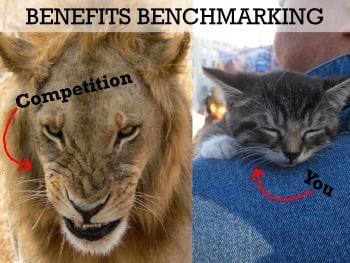
In all industries, successful companies review initiatives to learn what's working and what's not. From there, they can make adjustments and roll on. Players in the transportation industry naturally conduct these reviews, too. It's likely most motor carriers are scanning their markets for threats and opportunities — but how many have benchmarked their benefits to see where they stand?
Companies we’ve seen effectively execute onsite health clinic strategies have incorporated the following five elements into their efforts:
Drug testing is an issue for many employers, but the issue is a special concern for transportation firms and other organizations that employ professional drivers. If you’re the employer of commercial drivers with CDLs, those drivers need to be in a drug and alcohol program regulated by FMCSA. If your drivers are not CDL commercial drivers, then those drivers should not be in an FMCSA-regulated program.

HNI works with high-performing companies to help them address the hidden risks in their business and avoid The Insurance Dependency Trap. This is done by proactively DE-RISKING their business so they can be less dependent on insurance.
HNI also offers the basic services of insurance and employee benefits. HNI has offices in Milwaukee, Chicago, and Minneapolis.