
One of the most important risk management concepts to understand is the idea of the Total Cost of Risk. The face value of your insurance premium and any claims you have only scratches the surface of what your risk can really cost you.
.png?width=69&height=53&name=Acrisure%20Logo%20(White%20Horizontal).png "Acrisure")

One of the most important risk management concepts to understand is the idea of the Total Cost of Risk. The face value of your insurance premium and any claims you have only scratches the surface of what your risk can really cost you.
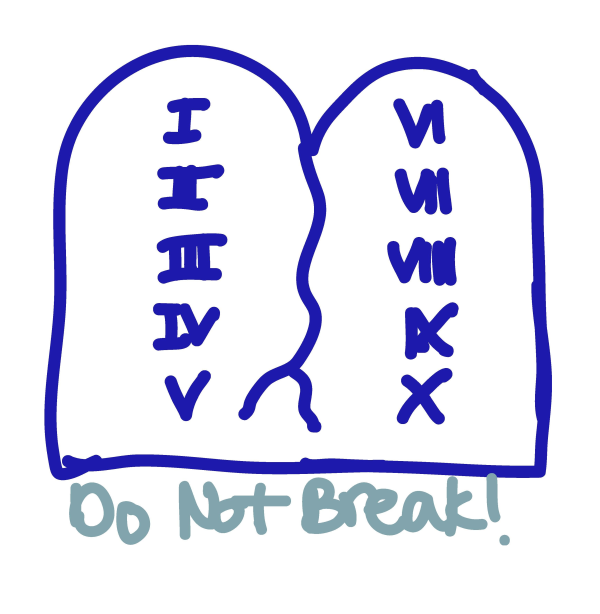

Sometimes we take our business just a little too seriously. If you were on the outside looking in, how would you disrupt your current business model?

This is the first in a series of video safety tips by our resident safety expert Chad Tisonik that we'll be publishing to our blog. To learn more safety basics, check out our August 23rd HNI U webinar “Safety Basics for the Non-Safety Professional” and share with your team. [We only have 4 slots left, so sign up asap if you're interested!]
Insurance is intended to be a risk transfer process for those things you cannot anticipate, or those losses or costs you cannot (or choose not) to bear.

Most people tend to avoid anything with the word “compliance” in it, but compliance is an inescapable part of all areas in your business. Compliance management obligations used to be tasks that you could “check-off” once you achieved them, but the business world is not static anymore, and slips in compliance can mean big costs to your company. New legislation is continuing to change requirements in all areas of your business, which means that your compliance goal is like a moving target.
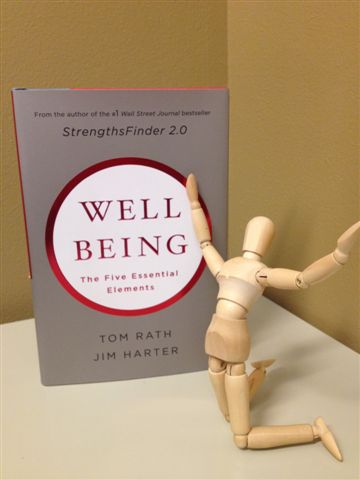
Wellness programs tend to emphasize exercise and eating right. We certainly can’t criticize that, but make sure to take into account the following aspects of wellness that affect an employee’s entire state of health and wellbeing. A holistic approach to wellness is one that emphasizes care for the whole person.

With health care costs continually climbing, employers are looking to consumer-driven plans to help soften the blow. Depending on the model, these plans typically include a tax-advantaged account and a high deductible health plan. But what are the differences between these varying types of accounts?

A favorite event for many companies is the annual company picnic. After a long winter and a year of hard work, taking a moment to celebrate is a great way to show employees how much you appreciate them. But have you stopped to consider the potential exposures that may arise from such an event?

HNI works with high-performing companies to help them address the hidden risks in their business and avoid The Insurance Dependency Trap. This is done by proactively DE-RISKING their business so they can be less dependent on insurance.
HNI also offers the basic services of insurance and employee benefits. HNI has offices in Milwaukee, Chicago, and Minneapolis.